


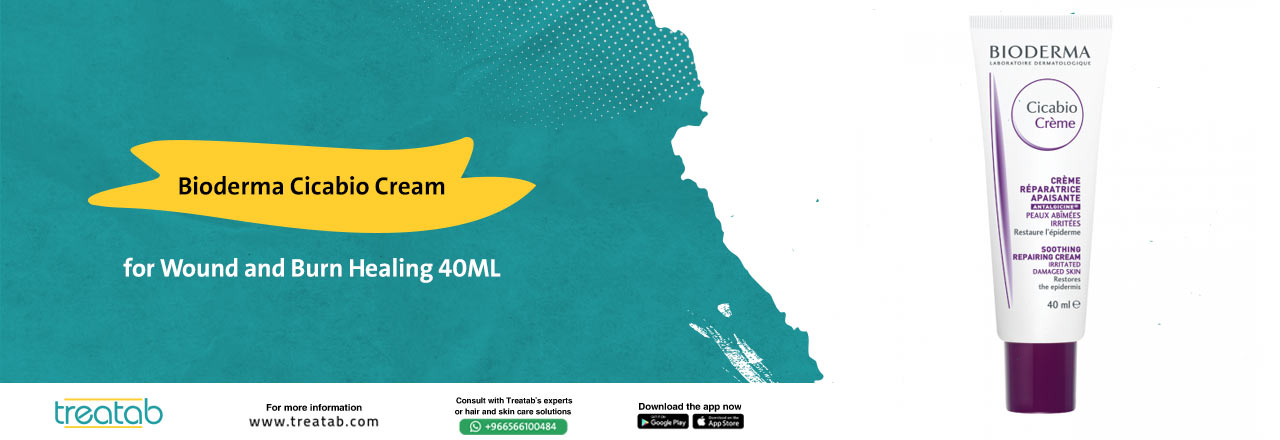
The effects of burns appear during the skin’s attempt to treat the burn itself and return to its normal state, and its severity depends on the degree and type of burn, and because in this process we need a cream that helps get rid of the effects of burns. We will talk in this article about the best cream for the effects of burns, how any burn can be treated, and what are the types of burns..
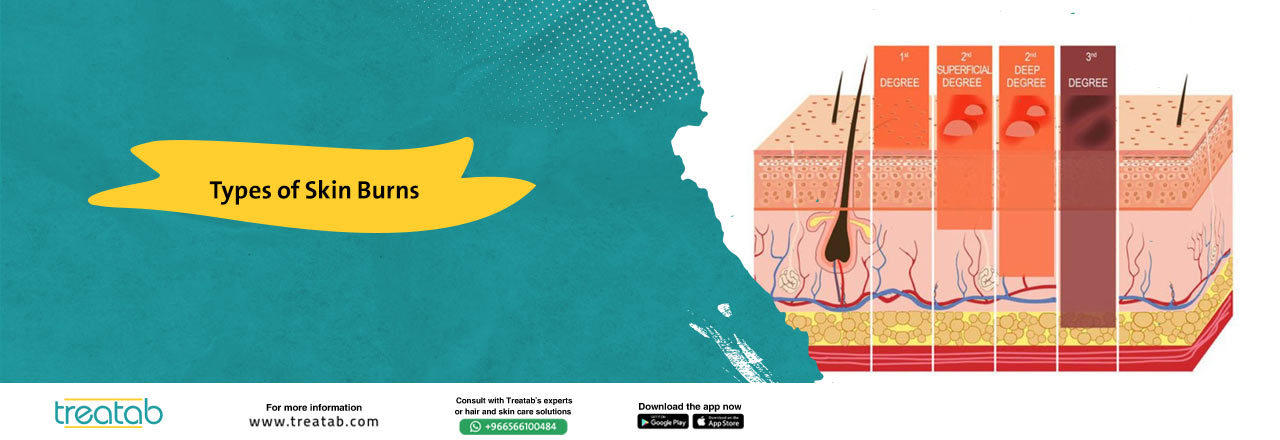
There are several types of skin burns, classified based on the severity and depth of the injury. The most commonly used classification system for burns is the "degree" system, which categorizes burns into three main types: first-degree burns, second-degree burns, and third-degree burns.
- These burns affect only the outermost layer of the skin, known as the epidermis.
- Symptoms include redness, mild swelling, pain, and possible peeling of the skin.
- Healing usually takes place within a week without scarring.
- These burns affect both the epidermis and the underlying layer of skin, called the dermis.
- There are two types of second-degree burns:
- Superficial partial-thickness burns: These burns involve the upper part of the dermis and appear red, blistered, and moist. They are often painful and take around 2-3 weeks to heal, usually without scarring.
- Deep partial-thickness burns: These burns extend deeper into the dermis, appearing pale or mottled. They may have blisters or open wounds and can be quite painful. Healing time can vary, and scarring is likely.
- These burns extend through all layers of the skin, affecting tissues and possibly underlying structures like muscles, tendons, or bones.
- The skin may appear white, blackened, or charred, and there may be a lack of sensation due to nerve damage.
- Third-degree burns require immediate medical attention and often necessitate surgical intervention, such as skin grafting, to promote healing and minimize scarring.
It's important to note that there is another classification called fourth-degree burns, which includes burns that extend beyond the skin layers and affect deeper structures like muscles, tendons, or bones. Fourth-degree burns are severe and require urgent medical attention.
Burn severity can also be assessed using other systems such as the "Rule of Nines" or "Lund-Browder chart," which estimate the percentage of the body surface area affected by the burn. These methods help determine the extent of the burn injury and guide treatment decisions.
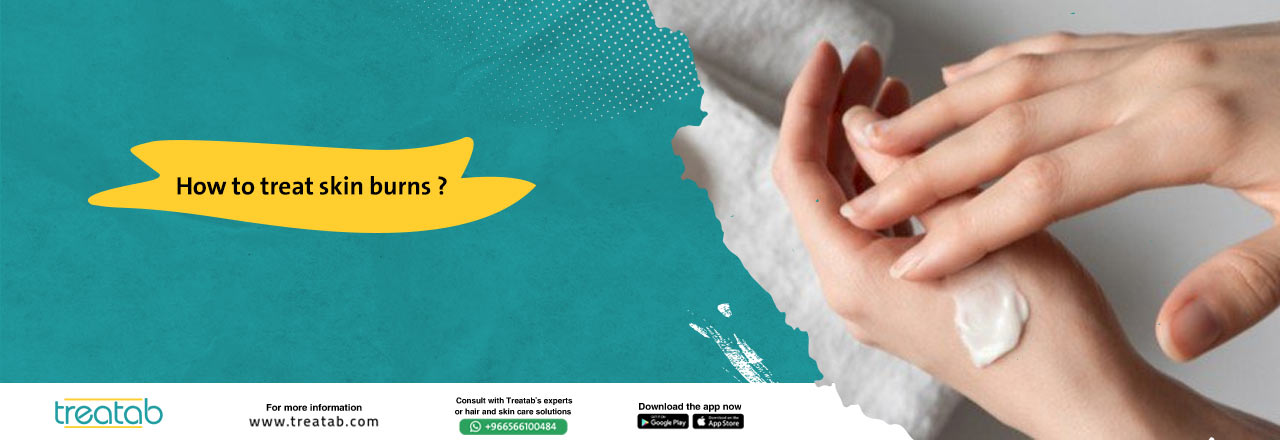
The treatment of skin burns depends on the severity of the burn. Here are general guidelines for treating burns:
- Remove the source of heat or stop the burning process.
- Cool the burned area with cool (not cold) running water or a cold, damp compress for about 10-20 minutes.
- Avoid using ice or very cold water as it can further damage the skin.
- Gently clean the burn with mild soap and water.
- Apply a soothing lotion or aloe vera gel to ease discomfort.
- Cover the burn with a sterile, non-stick dressing or a clean cloth.
- Over-the-counter pain relievers like acetaminophen or ibuprofen can help alleviate pain if necessary.
- For superficial partial-thickness burns:
- Follow the same initial steps as for first-degree burns.
- Avoid breaking any blisters, as they act as natural dressings and protect the underlying skin.
- Apply antibiotic ointment to prevent infection.
- Cover the burn with a sterile dressing, and change it daily.
- For deep partial-thickness burns and larger burns:
- Seek medical attention immediately, as these burns may require specialized care, such as wound cleaning, dressings, and possibly skin grafting.
- Third-degree burns are considered medical emergencies. Call emergency services right away.
- While waiting for help, ensure the person's safety and remove them from the source of the burn if possible.
- Do not attempt to remove clothing stuck to the burn.
- Cover the burn with a clean, dry cloth or sterile dressing to protect it.
- Monitor the person's airway, breathing, and circulation until medical professionals arrive.
Regardless of the burn severity:
- Do not apply adhesive bandages directly to the burn.
- Do not use home remedies like butter, oil, or toothpaste on burns.
- Avoid popping blisters, as they provide a natural barrier against infection.
- Keep the burn area clean and dry.
- If signs of infection, such as increased pain, redness, swelling, or pus, develop, seek medical attention.
Remember, these guidelines are general, and it's essential to consult a healthcare professional for proper evaluation and treatment of burns, especially for more severe burns or burns involving sensitive areas of the body.
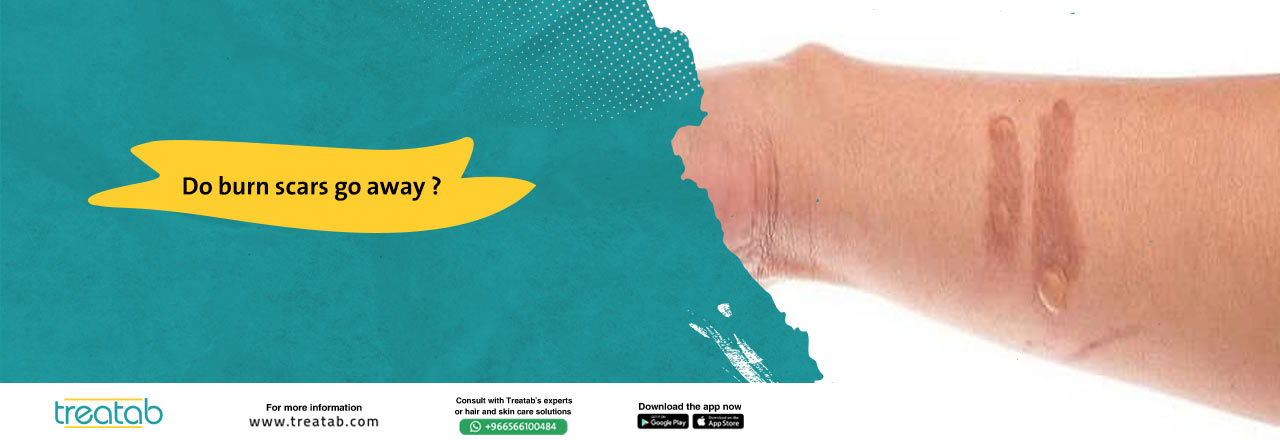
Burn scars can vary in their appearance and how they heal. While some burn scars may fade and become less noticeable over time, complete disappearance of burn scars is rare. The extent of scar formation depends on various factors, including the severity of the burn, the depth of the injury, the location of the burn, and individual factors such as genetics and skin type.
Here are some common types of burn scars and their characteristics:
While complete elimination of burn scars is difficult, there are various treatment options available to improve their appearance and functionality:
It's important to consult with a dermatologist, plastic surgeon, or burn specialist for an individualized treatment plan based on the specific characteristics of the burn scar. They can assess the scar and recommend appropriate treatments to minimize its appearance and improve quality of life.
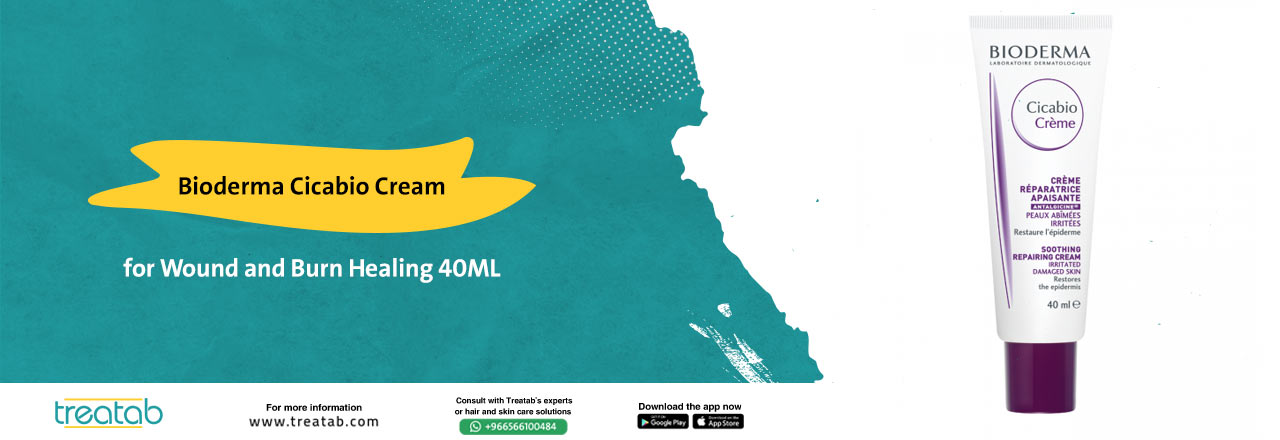
Bioderma Cicabio Cream is a skincare product that is specifically formulated to aid in wound healing and promote skin repair. Here are some potential benefits of using Bioderma Cicabio Cream for wound and burn healing:
It's important to note that individual experiences may vary, and results may depend on the severity and nature of the wound or burn. It's always recommended to consult with a healthcare professional or a dermatologist for proper evaluation and guidance on wound care and the use of specific products like Bioderma Cicabio Cream.
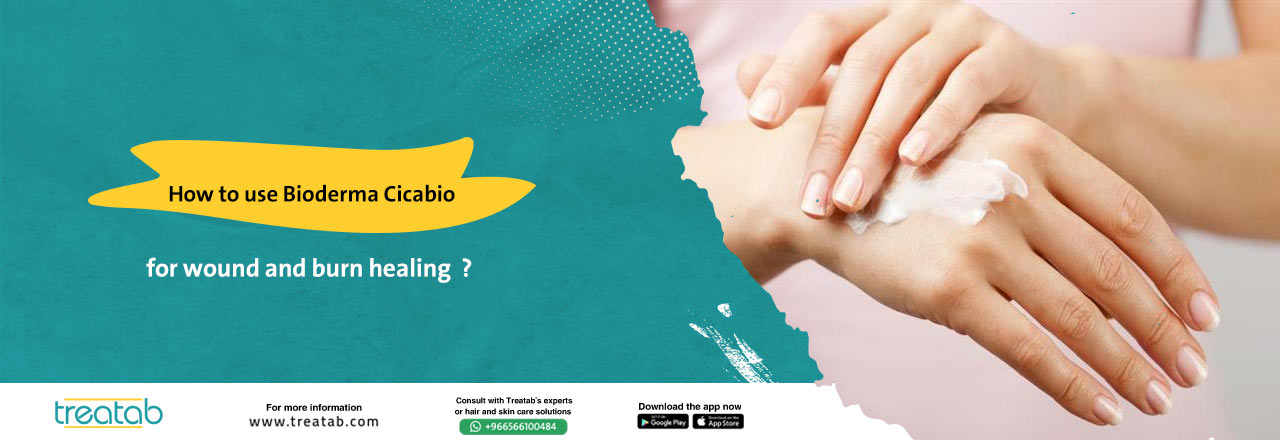
To use Bioderma Cicabio Cream for wound and burn healing, follow these general guidelines:
Always read the product instructions and consult with a healthcare professional if you have any concerns or questions about using Bioderma Cicabio Cream for your specific wound or burn. They can provide personalized advice based on the nature and severity of your injury.
You can order BIODERMA Cicabio Cream for Wound and Burn Healing 40ML
from "Treatab" store, which is a platform for all you need of medical and cosmetic therapeutic products, browse the website and choose from all the original high-quality products and get to know all brands with the possibility of reading product descriptions directly from product manufacturers to ensure product quality.
You can also sign up now for free and check out the Treatab Store to shop the best original skincare and cosmetic products that will cater to all your needs, and get consultations and recommendations from the best dermatologists.
Follow Treatab to get all the latest updates and exclusive offers:




 العربية